








Early Signs of Diabetes You Shouldn’t Ignore – Know the Symptoms and Take Action
Meta Description: Learn about the early signs of diabetes, including excessive thirst, frequent urination, and unexplained weight loss. Recognize the symptoms early to manage your health effectively.
Early Signs of Diabetes You Shouldn’t Ignore
Diabetes is a serious condition that affects millions worldwide, and early detection can make a huge difference in managing the disease effectively. Recognizing the early signs of diabetes is crucial to preventing complications and maintaining a healthy lifestyle. In this article, we’ll explore the common symptoms that may indicate the onset of diabetes and why you shouldn’t ignore them.
What Is Diabetes?
Diabetes is a chronic condition where the body struggles to regulate blood sugar (glucose) levels. There are two main types: Type 1 and Type 2 diabetes. Type 1 diabetes usually develops early in life, while Type 2 is more common in adults and often linked to lifestyle factors. Regardless of the type, identifying early signs of diabetes can help in taking proactive steps towards better health management.
Increased Thirst and Frequent Urination
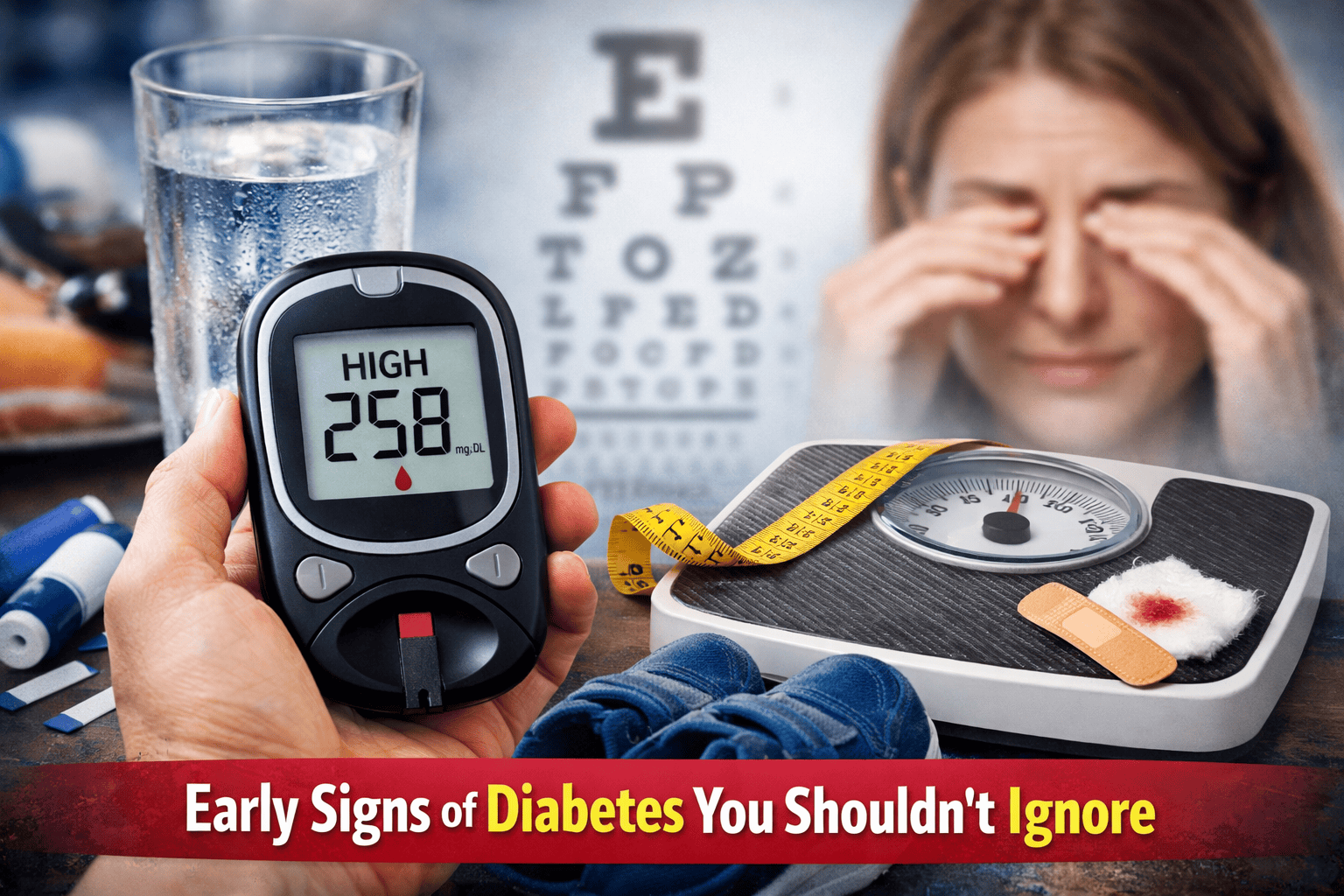
One of the earliest signs of diabetes is excessive thirst (polydipsia). When blood sugar levels are high, your kidneys work harder to filter and absorb the excess glucose. This process makes you urinate more frequently, leading to dehydration and a constant feeling of thirst. If you notice that you’re drinking more than usual or constantly feel the need to urinate, these could be early indicators of diabetes.
Unexplained Weight Loss
Unexpected weight loss is another common sign, particularly in Type 1 diabetes. When your body can’t use glucose properly for energy, it starts to break down fat and muscle for fuel, leading to noticeable weight loss. If you’re eating normally but still losing weight without explanation, it’s important to consult a healthcare professional to rule out diabetes.
Fatigue and Low Energy Levels
Feeling unusually tired or sluggish can be a sign of high blood sugar. When your body cannot use glucose effectively, it leads to a lack of energy. As a result, you might experience constant fatigue, even after a full night’s sleep. If you’re consistently feeling drained, especially if combined with other symptoms, diabetes could be the underlying cause.
Blurry Vision
High blood sugar levels can cause the lens of your eyes to swell, leading to blurry vision. If you’re noticing changes in your eyesight, such as blurred or hazy vision, it could be due to elevated blood glucose levels. This symptom might not always be permanent, but it’s important to seek medical advice to prevent further damage.
Slow-Healing Wounds and Frequent Infections
People with diabetes often experience slower healing times for cuts, bruises, and other wounds. High blood sugar can affect the body’s ability to fight infections and repair itself. If you notice that small wounds or infections are taking longer to heal than usual, it’s essential to check your blood sugar levels and consult a doctor.
Numbness or Tingling in Hands and Feet
High blood sugar can damage the nerves over time, leading to a condition called diabetic neuropathy. This nerve damage can cause numbness, tingling, or a burning sensation in the hands, feet, or legs. If you’re experiencing these symptoms, it could be an early sign of diabetes that requires prompt medical attention.
Conclusion
Early detection of diabetes is key to managing the condition and preventing long-term complications. If you notice any of the symptoms mentioned above, don’t wait for them to worsen. Consult your doctor for a proper diagnosis and take action to manage your blood sugar levels. Remember, recognizing the early signs of diabetes and making lifestyle changes early on can significantly improve your overall health and quality of life.